
February 10, 20267 min read
India is seeing a change in its sports scene. Cricket may still hold the emotional sway, but other sports are steadily securing a foothold in the market where new disciplines, digital innovation, and league-based business models are creating fresh commercial opportunities. Moving beyond just cricket, it now embraces various games and modern business leagues, unlocking new money-making paths through digital growth.
WPP Media's recent Sporting Nation report shows that India's sports economy reached a new high in 2025, crossing the $20 billion mark for the first time. The sports economy in India was worth Rs 8,864 crore — a 13.4% increase compared to Rs 16,633 crore in 2024. This growth has been driven by increasing sponsorship spending, more people watching sports online, digital streaming platforms, government programs like Khelo India, and growing consumer interest.
But past these big numbers sits a real truth.
Cricket continues to dominate the ecosystem, contributing 89% of total industry revenues in 2025, leaving a small share for other sports combined. From sponsorships to media rights to endorsements, cricket isn't just leading, it's owning the narrative. The IPL continues to drive massive growth, brands are investing heavily, and media spends are at an all-time high.
This leads to an important question: what lies beyond the remaining 11%?
The sports industry is not about the game itself, it is about the whole ecosystem around it. This includes storytelling, distribution, data, community and year-round relevance.
The way people watch sports is also changing. Many people are now watching sports on their phones, social media and online platforms. Brands are also changing the way they invest in sports — they are not just looking at short-term gains, they are investing in sports as a way to connect with consumers.
India is going through a silent sports renaissance, shaped by changing consumer behaviour, digital innovation, and growing participation across multiple disciplines.
Established leagues such as the Pro Kabaddi League (PKL), Indian Super League (ISL), Ultimate Table Tennis (UTT), Premier Badminton League (PBL), Hockey India League (HIL), Prime Volleyball League (PVL), and the Global Chess League have already demonstrated that professionally managed competitions can attract fans, sponsors, broadcasters, and investors beyond cricket.
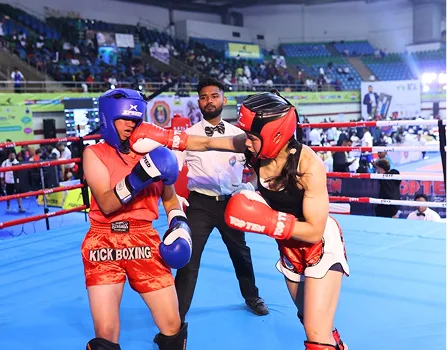
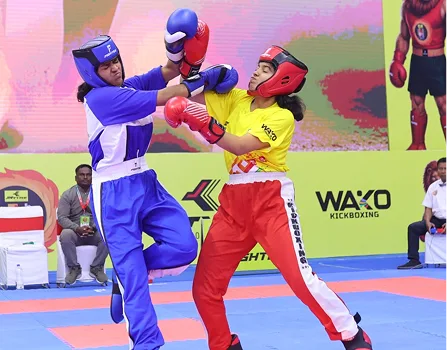
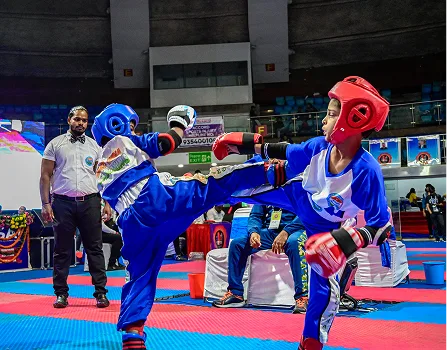
At the same time, combat sports — including kickboxing, boxing, mixed martial arts (MMA), karate, taekwondo, and wrestling — represent one of India's most promising yet underdeveloped commercial frontiers. With a rapidly growing fitness culture, a deep martial arts heritage, and millions of aspiring athletes, these disciplines possess the ingredients to become the next major growth engines of India's evolving sports business landscape.
Related reading: The Future of Sports Media: Why AI, Creators, and Communities Are Replacing Traditional Broadcasting.
India's sports industry has evolved from simple pastime entertainment into a powerful financial driver. Mobile-first fan products, direct-to-consumer memberships, influencer driven narratives, vernacular content and data-driven engagement may all develop faster in India than in more mature markets tied to legacy systems. True potential lies in deeply reading fan habits and loyalties using precise analytics rather than just airing more games. In that sense, data is not just a metric, but a way of understanding loyalty, behaviour, and future demand.
Several factors have accelerated this growth.
Government initiatives like Khelo India, Fit India Movement, and increased investment in sports infrastructure have encouraged participation across age groups. Schools, universities, academies, and private organizations have also invested heavily in athlete development.
What this success also shows is that the value of sport no longer sits only in the match itself. The live event remains the anchor, but the larger opportunity increasingly lies in everything built around it: storytelling, distribution, data, community and year-round relevance. Meanwhile, OTT platforms have changed how people watch sports — viewers are free from TV broadcasts, and watching on phones, social media clips, creator videos, and real-time engagement have widened access to multiple sports.
Corporate sectors have responded by increasing sports monetary funds beyond traditional advertising. Brands increasingly view sports as a permanent consumer connection tool rather than short-term marketing campaigns.
A major milestone in India's sports business has just been reached. According to recent industry reports, Royal Challengers Bengaluru (RCB) has become the first IPL franchise to achieve a brand value of more than $300 million, while the overall valuation of the Indian Premier League (IPL) has crossed $20 billion for the first time. This growth shows that the IPL is no longer seen as just a two-month cricket tournament — it has evolved into a powerful global sports and entertainment brand that attracts investors, sponsors, broadcasters, and millions of fans worldwide.
More importantly, it highlights how strong leagues can create lasting commercial value through media rights, fan engagement, digital content, merchandising, and brand partnerships. The success of the IPL also demonstrates the enormous potential for other sports in India to build sustainable business ecosystems when they invest in professional league structures, strong storytelling, and year-round fan communities.
Investor backing and belief have also strengthened. Private equity firms, venture capital investors, media companies, and sports entrepreneurs are recognizing the long-term commercial potential of the Indian sports industry.
These developments position India among the world's fastest-growing sports markets.
Even with fast-paced industry evolution, cricket continues to be the uncontested economic powerhouse of the industry. In countries like India, Australia, England, and Pakistan, cricket is not just a sport; it's a religion, a passion, and a way of life.
We are not, if we are honest, a nation of sportsmen. We are a nation of sports-discussing pundits. A billion selectors, fluent in strike rates and field placements, armed with post-factum wisdom. Cricket is built for this temperament. Its pauses invite pontification. Its statistics seduce the amateur analyst. Its rivalries keep conversations alive in living rooms, offices and WhatsApp groups.
Beyond mere games, franchise sports leagues are the economic core of modern sport, fostering thriving networks for athletes, fans, sponsors, and the broader economy. The Indian Premier League (IPL) has contributed significantly towards it.
Its success is built on several interconnected pillars:
The impact of cricket on the economy is also very significant. Cricket tournaments can bring a lot of money to host cities — the surge of players, support staff, and fans during the league season leads to increased spending on accommodation, food, transportation, and entertainment, boosting the local economy. Furthermore, the construction and renovation of cricket stadiums and related public works can create jobs and have a lasting impact on host cities. Many brands are also investing in cricket because it offers a strong return on investment.
This is why cricket makes up 89% of India's sports economy while other sports are still trying to catch up. There is still a lot of potential for growth in other sports, and many people are investing in them. The future of sports in India is looking very bright.
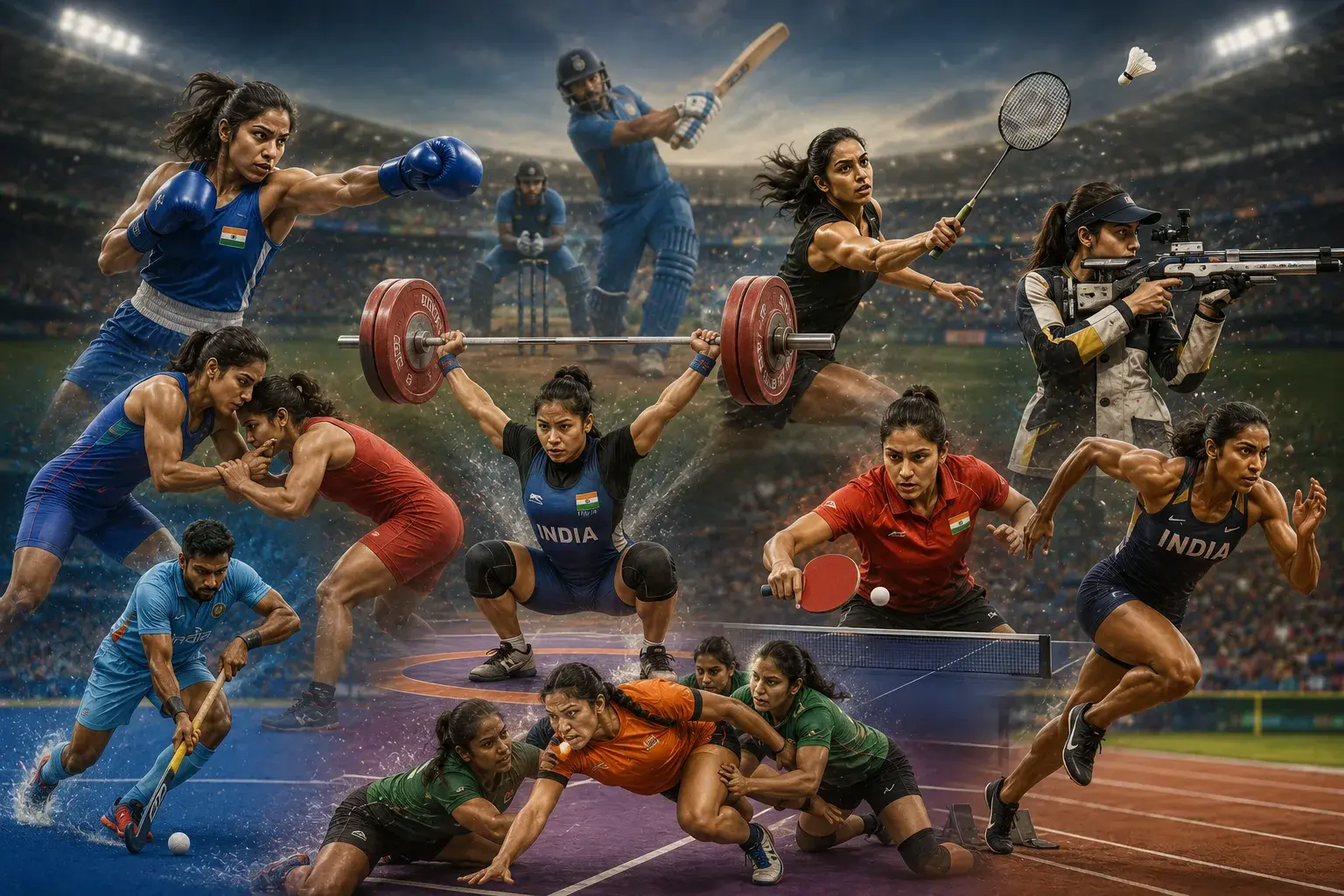
India's sporting talent extends far beyond cricket.
In 2014, if you asked someone to name a sports league in India, the answer would almost certainly begin and end with the Indian Premier League (IPL). Today, the list includes:
These leagues are not just diversifying India's sports portfolio — they're shaping careers, inspiring youth, and creating an industry.
Football had its moment of borrowed IPL optimism. Featuring wealthy financiers, imported foreign talent, and vibrant stadiums, the tournament registered upwards of 400 million viewers over the course of its inaugural season. However, football soon lost its popularity and glory. Attendance in Kerala has dipped. Goa's stands have thinned out. Bengal's passion has aged into nostalgia. The decline is not of feeling. It is of faith. Supporters did not abandon football. Football failed to give them a product worth their loyalty.
Kabaddi was the unexpected insurgent. When the Pro Kabaddi League arrived on television, it did not simply broadcast a rural sport — it turned it into a spectacle. Floodlights, pounding music, dramatic camera angles. Raids became theater. At its peak, the league crossed 220 million viewers and became the only non-cricket property to breach that number more than once.
Badminton continues producing global champions. While sports such as wrestling, boxing, athletics, volleyball, hockey, and shooting reliably produce world-class results, martial arts sectors — including kickboxing, MMA, karate, and taekwondo — sustain a strong appeal for young prospects in domestic training centers.
Non-cricket sports can grow in India. The change will not come from another season launch or celebrity endorsement. It will come from schools that treat sport as serious work, from federations that behave like adults, from media that stays for the long game, and from fans willing to look beyond the familiar green oval.
Cricket is not the villain here. It is the elder sibling who learned early to speak the language of television. For the younger sports to grow, they need parents who invest, coaches who persist, and storytellers who care.
Participation is not the primary challenge. Commercialization is. Many emerging sports lack:
Without media exposure and structural backing, elite competitors struggle to maintain long-term careers. The progression of Indian athletics depends on cultivating champions alongside a profitable commercial sports sector.
Combat sports are really big now around the world. They used to be events, but now they are huge businesses that make a lot of money.
Organizations such as:
have shown us how to make combat sports really popular. They use stories, athlete personalities, digital media and good production to make people want to watch. India has a lot of things that can help make combat sports popular too.
The country has a history of martial arts like Kushti and traditional wrestling. Today people in India are getting into boxing, kickboxing, karate, taekwondo and MMA. There are thousands of places where people can learn these sports.
India is a place for combat sports because the people are young and they care about being healthy. They have money to spend and they like to stay fit. Combat sports are perfect for people who want to be strong, learn discipline and compete with others.
There is a problem. We do not have the system to make money from combat sports. Many athletes are really good. Nobody knows about them. Local events have trouble finding people to give them money or show them on TV.
The problem is not that we do not have athletes. The problem is that we do not have a system to make combat sports a business. Combat sports need a system that works well and makes money so athletes can make a living from the sport they love.
Modern sports leagues create value far beyond competition. They build entire economic ecosystems.
Successful leagues generate:
India has seen a change already. The Indian Premier League completely changed the game of cricket. The Pro Kabaddi League made people interested in an Indian sport again. The Indian Super League helped football become more popular and made more money.
Each of these leagues showed that when you have a competition with professional people in charge of interesting stories and a regular schedule, it attracts a lot of fans, broadcasters and investors. Combat sports can also become popular in this way. If we have leagues, we can have rivalries between cities, championships at the end of the season, stories about the athletes, people owning teams and companies sponsoring the sports. This also helps people invest in things like sports science, coaching, making sure the games are fair, taking care of the athletes and helping young people get into sports.
In the end, leagues make things happen consistently. When things happen consistently, they become more valuable. The Indian Premier League and other leagues like the Pro Kabaddi League and the Indian Super League are examples of this. Leagues create a system that makes people want to watch and invest in sports, like cricket, kabaddi and football.
Technology is fundamentally changing how fans discover and consume sports.
Artificial Intelligence now powers:
For new sports, these changes help break down many old problems that stopped growth. Instead of relying only on television networks, sports groups can share content on YouTube, Instagram, OTT services, podcasts and with creators. Short videos have become very important — one great moment, one athlete training video or one look at a team can get millions of views and bring new people to a sport. Athletes have turned into media brands.
Through media, players create personal followings that keep going even when there is no competition, which makes them more popular with sponsors.
For the sports business in India, AI and online media are not just tools — they are big advantages.
Cricket will keep drawing money from sponsors. New sports have special benefits that many companies don't see.
Companies that get involved often get:
New sports also help companies create the look of a league instead of fighting for attention with many other sponsors. Being focused on a purpose has become more important. People are more likely to support companies that are linked to helping athletes grow, encouraging people to play, making sure everyone is included, being part of the community and helping young people.
These ideas fit well with sports leagues in India that are still building their business sides.
To really make the most of the sports industry in India, everyone involved needs to work together. The people in charge of professional leagues should make sure they're being open and honest, planning for sustained growth, and finding ways to ensure financial viability. When leagues are run well, it gives investors faith and encourages big organisations to partner up. This is key to unlocking the full potential of the India sports economy.
Grassroots infrastructure must continue expanding through public-private collaboration. More academies, quality coaching, and accessible facilities will widen the talent pipeline. Coach education and athlete welfare deserve equal attention. Career development, medical support, nutrition, sports science, and financial literacy strengthen long-term athlete success.
Digital-first broadcasting strategies should become standard practice. Affordable production technologies and AI-powered distribution can help emerging sports reach wider audiences. Corporate sponsorship should evolve beyond logo placement toward integrated storytelling, content partnerships, and community activation.
Data analytics should guide fan engagement, ticket pricing, sponsorship measurement, and performance evaluation. Finally, AI adoption should become a strategic priority across sports operations, marketing, officiating, and fan experiences.
All these efforts will help make sports a big part of India's economy and create jobs that will last in areas like coaching, media, event planning, technology, and starting sports businesses.
India possesses many of the ingredients necessary to build globally competitive combat sports ecosystems.
The country has:
Yet several gaps remain. Emerging sports need greater visibility. Athletes need stronger commercial pathways. Leagues require professional management. Sponsors need compelling business cases. The media needs better storytelling.
When all these elements fall into place, combat sports can play a big role in India's sports economy. It's not just about creating winners but also about building businesses that can last and benefit a lot of people, including athletes, coaches, broadcasters, brands, tech companies, local communities, and fans. This can bring in new opportunities and make the sports economy stronger. By working together, we can make combat sports a significant part of India's sports scene and create a positive impact on the country.
India's next billion-dollar sports opportunity may not come from another cricket tournament. It may emerge from building sustainable league ecosystems for emerging sports like kickboxing, where participation already exists and commercial potential remains largely untapped.
The next chapter of the India sports economy will not be written by one sport alone. It will be shaped by many.
What is India's sports economy?
India's sports industry is really taking off, with lots of money being made from things like advertising, broadcasting, and ticket sales. In fact, it's expected to be worth around ₹8,864 crore by 2025, which is a huge jump. This makes it a big part of India's entertainment and media scene, and it's growing fast. The industry includes all sorts of things, like managing athletes, developing sports technology, building infrastructure, and even fantasy sports and fitness businesses.
Why does cricket dominate India's sports industry?
Cricket dominates because of its long-established public following, elite media contracts, corporate funding, iconic players, year-round public exposure, interactive ads, and the commercial success of the Indian Premier League. These factors have created a mature business model that attracts the majority of sports-related investment.
What are the fastest-growing sports in India?
Beyond cricket, sports such as kabaddi, football, badminton, boxing, wrestling, athletics, MMA, volleyball, hockey, and kickboxing are experiencing steady growth. Increased participation, digital content, league development, and government support are helping these sports build larger audiences and stronger commercial opportunities.
Why are combat sports becoming popular?
The surge in combat sports popularity stems from increased health consciousness, growing interest in self-defense, and viral marketing. Major global reach for UFC and ONE Championship, alongside the boom in elite domestic academies, fuel this growth. The younger generation resonates with the strict rigour, grit, discipline, athleticism, and compelling fighter's-journey narratives associated with these sports.
How can combat sports become commercially successful?
Combat sports can achieve long-term commercial success through professionally managed leagues, consistent broadcasting, athlete branding, digital storytelling, sponsorship partnerships, grassroots development, AI-powered fan engagement, and transparent governance. Sustainable ecosystems create value for athletes, investors, broadcasters, and fans alike.
Ajay Adlakha
Founder & CEO
The architect of our Story. A pioneer of modern Indian advertising and one of India's top rural marketing professionals. Ajay has built Infinity's legacy of bold creativity and cultural relevance.
Learn more about the Fortiv team →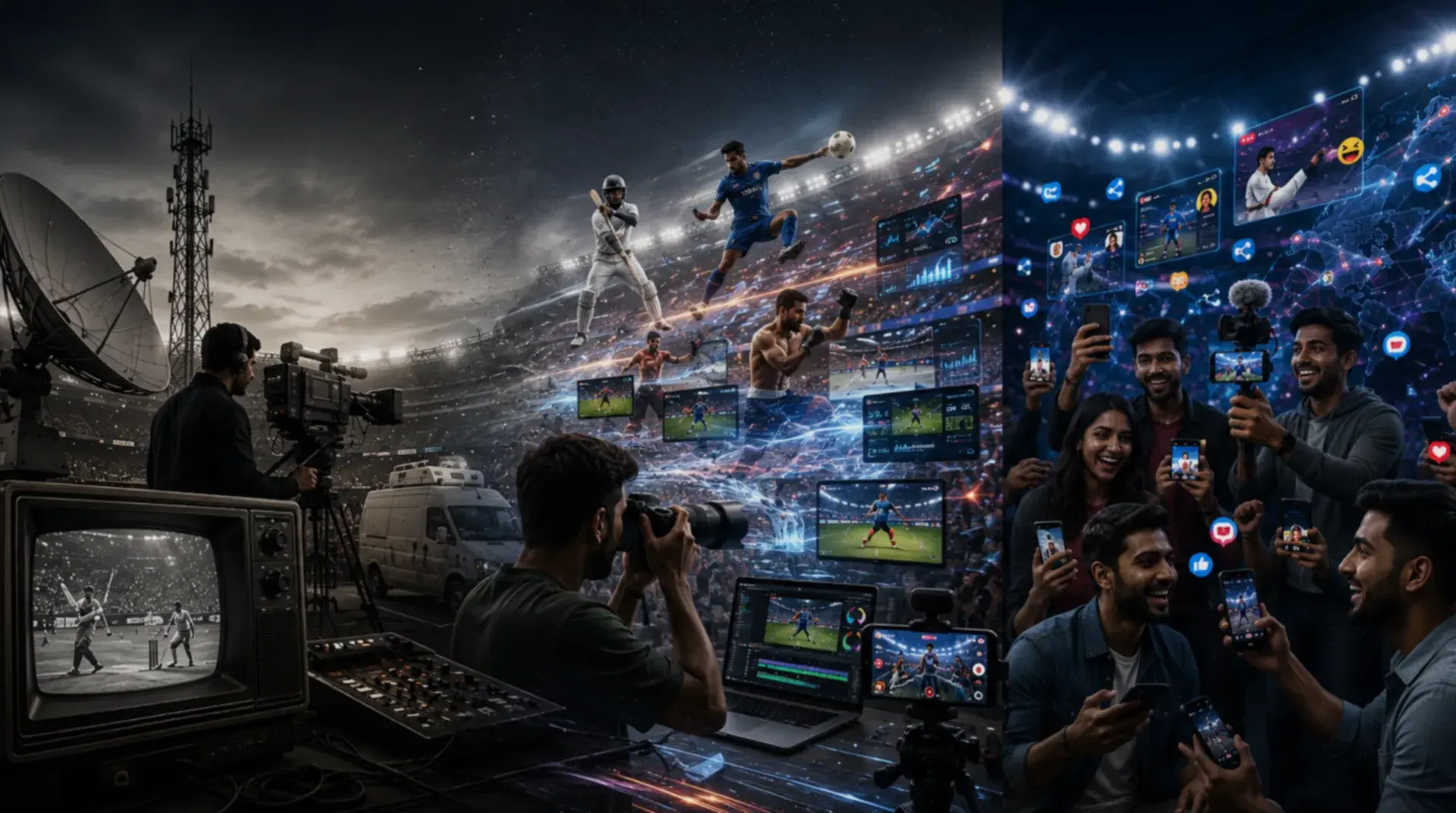
WE ARE BUILDING AN
ECOSYSTEM.
WE ARE CREATING
HEROES.
WE ARE BUILDING A
LEGACY.