
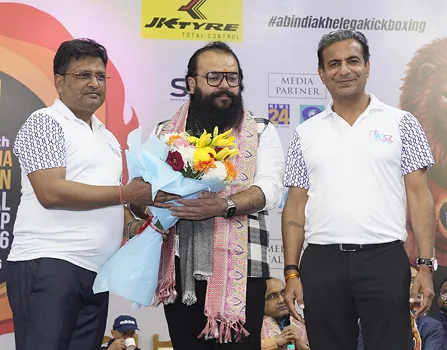
February 10, 20267 min read
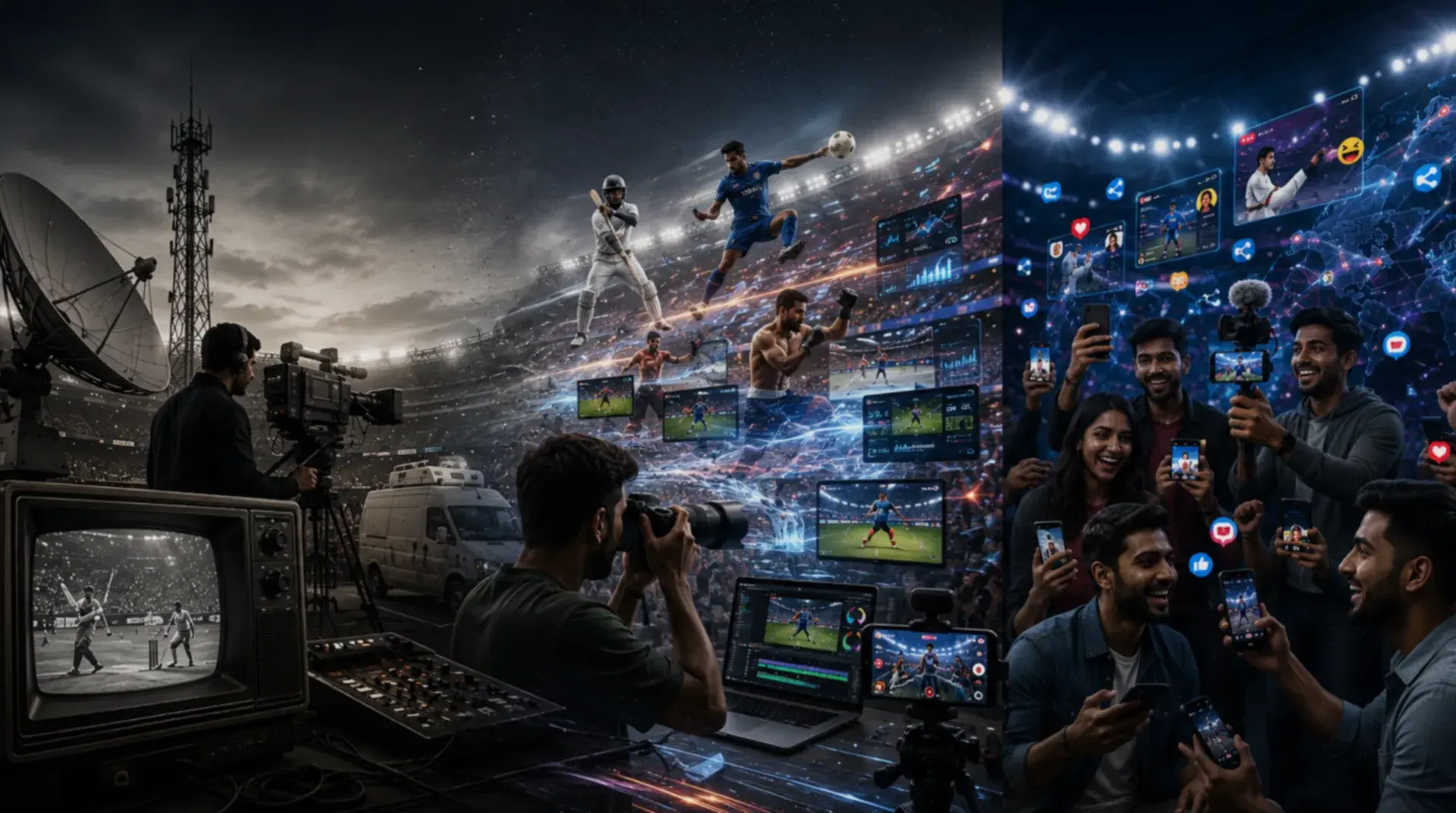
Historically, live sports were solely defined by live broadcast. Fans watched the action unfold and disengaged until the next week. While pre-game and post-game commentary existed, almost all of the monetization sat inside the live television window.
That model is rapidly changing. The biggest brands now drive conversations and extensive content way before the match and sustain them long after the whistle. At Kickboxing Super League (KSL), we see this shift as an opportunity rather than a threat and embrace it. While linear TV continues to play an important role, lasting success belongs to organizations that build meaningful relationships with their audiences across multiple digital platforms.
Ancient media organizations simply broadcast live competitions to their viewers.
Today, audiences demand a much richer experience. Modern matches generate an enormous volume of video, audio, data analytics, diverse content, audience interaction metrics, and viewer engagement, rendering manual management impractical. Going forward, the primary bottleneck for broadcasters isn't just recording content but rather decoding, categorizing, and leveraging its value. AI is distinguished for mitigating tactical challenges. Digital sports engagement has progressed into a multi-platform journey that goes beyond live telecast.
Artificial Intelligence is becoming one of the most useful tools in sports media technology. It now gives:
AI does not replace creativity. It gives it in a more engaging, structured and efficient manner.
One of the most significant shifts in modern athletics today is the rise of influencers and creators. Filmmakers, editors, content creators, podcasters have emerged as new wave sports journalists. Gone are the days when traditional reporters held a monopoly on press credentials, column space, and narrative power. That old-school era of media gatekeeping is vanishing quickly.
Athletes are no longer just the architects of one's brand - they are the storytellers. Rather than relying on traditional press briefings, players now use personal voice to respond to trade gossip on their own podcast within hours, discarding official news briefing entirely. On top of that AI is writing match reports, and advanced stats have turned every game into a spreadsheet of insight, and audiences are consuming sports content in ways that traditional newsrooms are scrambling to keep up with. Podcasting has become the self owned media ecosystem. Shows hosted by athletes like Travis and Jason Kelce (New Heights), Draymond Green, and Angel Reese have attracted audiences in the millions.
For leagues like KSL, creator partnerships are more than promotion. They are a powerful way to grow visibility, support events, and inspire the next generation of athletes.
Media rights have value, but audiences create lasting value.
One of the most exciting developments in sports media is the emergence of conversational interfaces. Audiences are becoming increasingly comfortable interacting with AI through natural language. Younger audiences are overwhelmingly mobile-first in their sports consumption. They are far more likely to encounter sports news through social media or short-form video platforms than through live television broadcasts. This has driven demand for what the industry calls Bite-sized: quick clips, real-time updates, shareable highlights, and meme-worthy moments.
At Kickboxing Super League, our vision is to build a passionate community from a position of advantage. Because ultimately:
This philosophy creates resilience regardless of changes in broadcasting or platform algorithms.
Today's sports community is always engaged. They watch clips on YouTube, follow athletes on Instagram, join WhatsApp communities, and are connected with live content on their phones.
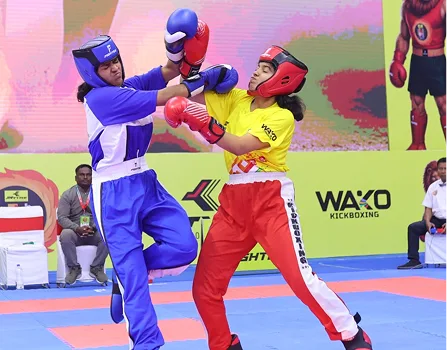
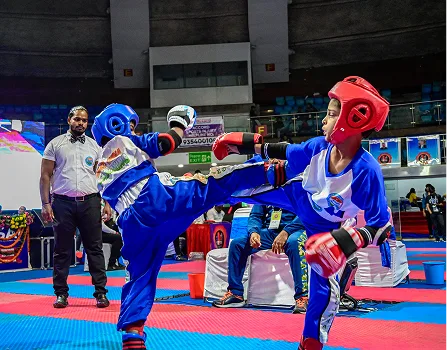
This creates a huge opportunity for emerging leagues. Instead of waiting for traditional coverage, leagues can build their own audience through consistent content-driven communication. At KSL, we use content around registration, selection trials, state championships, athletes, and the professional league to keep supporters engaged throughout the year, not just on competition days.
A strong sports community creates loyalty that advertising alone cannot buy. When athletes, coaches, parents, fans, and local organizers feel involved, they become part of the sport's growth. They share stories, encourage participation, and help build momentum from the ground up.
For Indian kickboxing, this means celebrating both grassroots talent and elite competition. It also means creating space for everyone to contribute to the sport's future.
Modern sponsorship decisions increasingly prioritise active involvement rather than passive eyeballs. Brands want grassroots communities, who actively participate, share content, attend events, and support athletes.
An engaged community provides return on experience viewership. The result is faster publishing, greater content output, and content-driven marketing, better embedded partnerships to engage audiences across platforms. For decades, sports broadcasts were designed around a single audience experience. AI will fundamentally change this model. Future sports platforms will increasingly deliver personalized experiences tailored to individual viewers.
This is why sports marketing is evolving from impression-driven marketing, to relationship-based marketing.
India's digital networks are fundamentally altering how sports are accessed and consumed. Emerging sports have limitless possibilities to build audiences by harnessing regional creators, mobile-first content, AI-powered production, and fan collaborations.
One of the most visible applications of AI in sports broadcasting will be content creation. Broadcasters already struggle to keep up with audience demand for short-form content across social media, mobile apps, websites, and connected TV platforms.
In the future, AI systems will automatically extract media highlights into multiple content formats simultaneously. Instead of manually reviewing hours of footage, production teams will focus on refining and distributing content generated through smart automation.
The result is faster publishing, greater content output, and more opportunities for consumer involvement across platforms. For decades, sports broadcasts were designed around a single audience experience. AI will fundamentally change this model. Future sports platforms will increasingly deliver tailored viewing to individual viewers.
This approach enables emerging sports to build sustainable ecosystems that benefit athletes, fans, sponsors, and partners alike.
Building a premier league goes beyond the matches themselves. It necessitates supporting fighters, expanding local participation, sharing regional narratives, inspiring registrations, and staying connected with fans digitally.
Thriving sports leagues demand more than just elite tournaments, the KSL is dedicated to cultivating this exact infrastructure, uniting competitors, neighborhoods, and supporters under one unified mission for Indian kickboxing.
Several trends will define the future of sports media:
Organizations that embrace these trends today will be better positioned for sustainable growth tomorrow.
What is the future of sports media?
The evolution of sports media merges artificial intelligence, digital channels, creator-driven narratives, and direct interaction with audiences. Thriving sports organizations will prioritize the cultivation of dedicated communities while leveraging technology to provide tailored and captivating experiences for fans across various platforms.
How is AI changing sports broadcasting?
AI improves sports broadcasting by automating the creation of highlights, enhancing live production, aiding commentary, analysing fan behavior, and customizing content. These advancements enable leagues to provide quicker, more intelligent, and more captivating viewing experiences.
Why is audience ownership important in sports?
Audience ownership enables leagues to create direct connections with fans rather than depending only on broadcasters. Robust fan communities boost participation, enhance brand worth, and offer lasting chances for sponsorships and ongoing growth.
What role do creators play in sports marketing?
Creators produce authentic stories that connect audiences with athletes and competitions. Their content expands reach, builds trust, and helps emerging sports develop passionate fan communities across digital platforms.
How are digital platforms transforming sports broadcasting?
Digital platforms enable fans to watch, share, and interact with sports content anytime and anywhere. They expand accessibility, encourage community participation, and allow leagues to reach audiences beyond traditional television broadcasts.
A new dawn is arriving in sports media. The future will not only depend on infrastructure, faster networks, or larger production teams. It will rely on intelligence, emphasizing meaningful connections, cultivating interactive ecosystems, and choosing innovation over old habits.
AI will help broadcasters create assets, personalize experiences, use intelligent routing, improve content navigation, and engage audiences in new ways. Organizations that adopt these innovations early will lead the industry by anticipating audience demand while saving time and money.
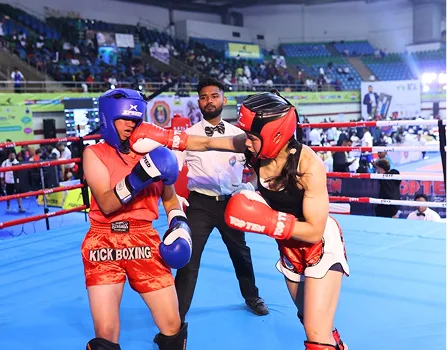
At the Kickboxing Super League, we are building a strong combat sports economy to support Indian athletes. We showcase homegrown champions, use AI-driven solutions, and connect directly with fans across the country. We are expanding the sport and developing a loyal community through formal registrations, regional scouting camps, and an elite franchise league. The future of sports broadcasting goes beyond streaming live events. It involves creating smart content systems that can produce, organize, share, and personalize content on a large scale.
Ajay Adlakha
Founder & CEO
The architect of our Story. A pioneer of modern Indian advertising and one of India's top rural marketing professionals. Ajay has built Infinity's legacy of bold creativity and cultural relevance.
Learn more about the Fortiv team →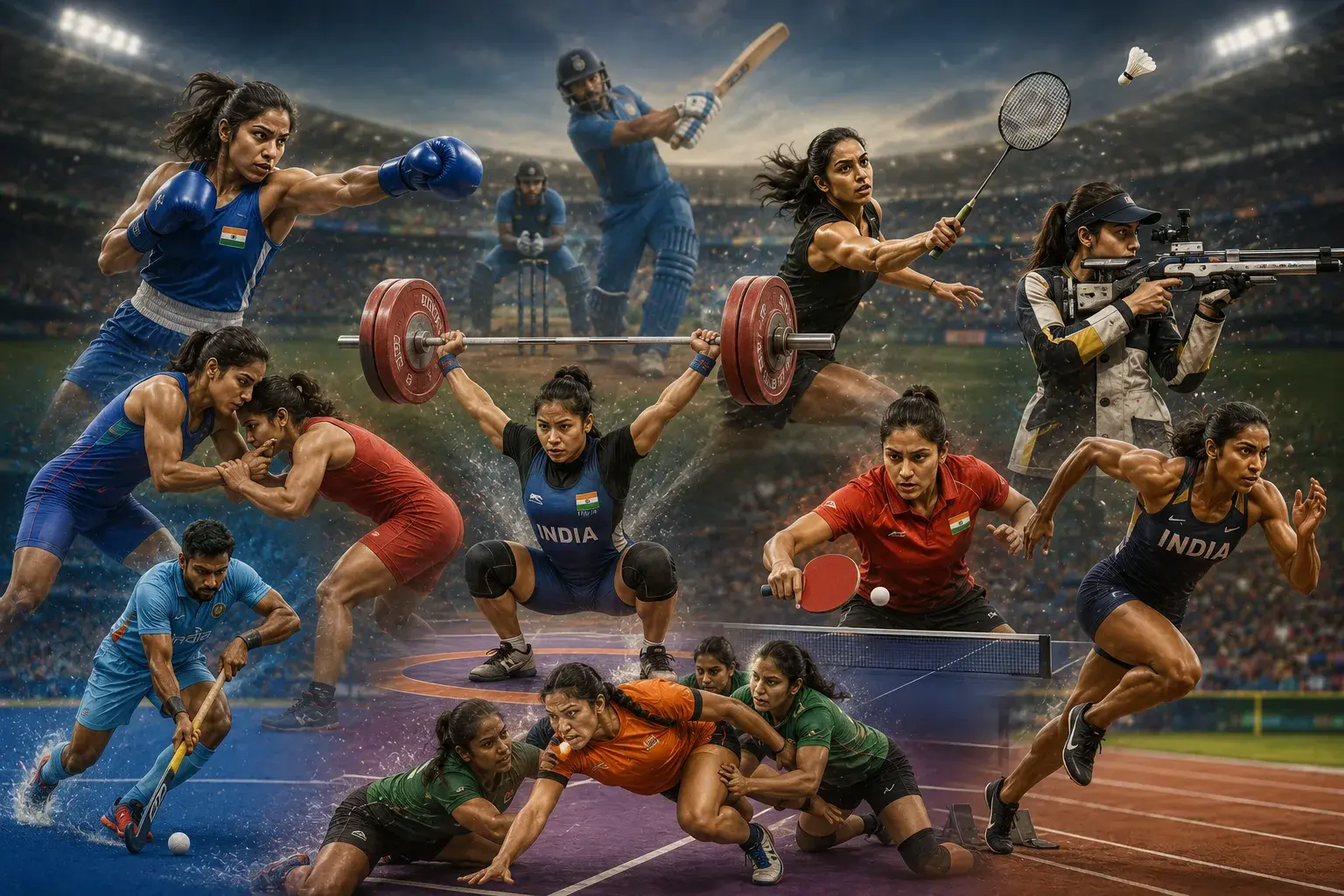
WE ARE BUILDING AN
ECOSYSTEM.
WE ARE CREATING
HEROES.
WE ARE BUILDING A
LEGACY.