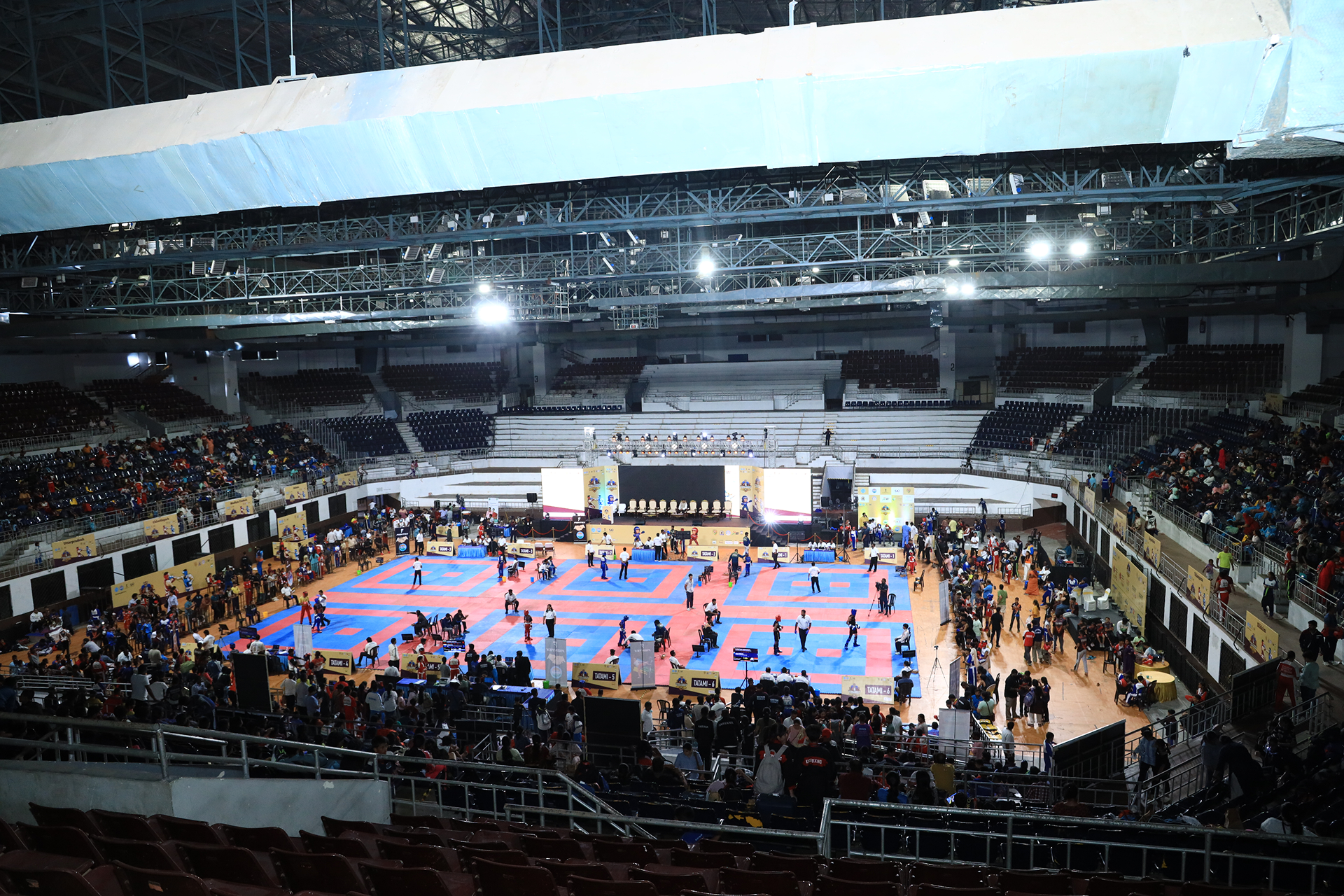
Every great sports league is built on belief before it is built on broadcast numbers. Before stadiums fill up and screens light up, there is a community that forms quietly — people who follow, debate, celebrate, and show up because the sport speaks to them. Kickboxing Super League is being created with that truth at its core.

KSL is not positioning fans as passive spectators. It is building a culture where fans become participants in the journey of the sport. From the earliest trials to the final bell of the championship bout, the league invites supporters to follow fighters as real athletes with real stories, discipline, and ambition. This is not about city-based rivalries manufactured for television. It is about fighter dynasties, personal journeys, and authentic competition that fans can connect with emotionally.

In KSL, the fan experience does not begin on match day and end when the lights go off. The league is designed to remain alive throughout the year, long before and long after the fights take place. Training camps, selections, behind-the-scenes preparation, interviews, weigh-ins, and post-fight reflections form an ongoing narrative that fans can follow continuously. This approach reflects how modern sports audiences engage — not in isolated events, but in ongoing stories.

The digital ecosystem of KSL plays a central role in this connection. The league is being built as a mobile-first, content-driven platform where fans discover fighters through short-form videos, extended interviews, training footage, and live interactions. Social platforms are not treated as promotional channels alone, but as community spaces where fans react, comment, share opinions, and contribute their own perspectives. In this environment, content does not flow in one direction; it circulates, evolves, and grows through community participation.

KSL’s fan base reflects the diversity of modern India. It includes fitness enthusiasts who see kickboxing as a lifestyle, students who follow rising athletes from university circuits, families who appreciate structured and safe competition, women supporters inspired by equal representation, and hardcore fight fans who value technical depth and authenticity. These audiences may come from different backgrounds, but they are united by a shared respect for the sport and the athletes who dedicate their lives to it.

At the heart of this community lies a deep respect for the discipline of kickboxing. KSL is committed to fairness, safety, and transparency — values that protect both athletes and the integrity of competition. The league avoids artificial drama or exaggerated narratives. The focus remains on preparation, skill, resilience, and performance. For fans, this builds trust. For the sport, it builds longevity.

Kickboxing Super League is not simply launching another sporting property. It is laying the foundation for a national fight culture where athletes are respected, fans are valued, and stories are allowed to unfold organically. The goal is not just to grow viewership, but to create belonging — a sense that this league, and this movement, belongs to everyone who believes in the power of sport.

This is the beginning of a community that will grow with every season, every fight, and every new supporter who chooses to be part of it. This is KSL. And this is India’s fight community taking shape.

Article 3

For the Athletes: Where India’s Fighters Finally Belong

Every combat sport grows only as far as its athletes are allowed to grow. For decades in India, kickboxers have trained in silence — across small gyms, school halls, police academies, armed forces units, and state associations — often competing internationally without ever being seen at home. Kickboxing Super League exists to change that reality.

KSL is built on a simple belief: India already has fighters — what it lacked was a stage.
Today, more than 2 lakh registered kickboxers train and compete across India through 32 state boards, armed forces units such as Assam Rifles and All India Police, and over 500 universities and 2,500 schools. Yet, despite this scale, there has been no unified professional pathway for athletes to progress from grassroots to national recognition.

KSL is designed as that missing bridge.

This league does not treat fighters as temporary performers. It treats them as professionals whose careers deserve structure, visibility, safety, and dignity. From transparent trials and profiling to structured team systems and equal representation, KSL places athletes at the centre of the ecosystem — not at its edges.

Unleash the Fighter Within is not just a tagline.
It is a promise that preparation, discipline, and performance will finally be rewarded with opportunity.

Unlike traditional city-based leagues, KSL follows a fighter dynasty model. Teams are built around skill, discipline, and competitive balance — not geography alone. This allows fighters from any region, background, or institution to rise purely on merit. Talent is not confined by pin codes; it is amplified by performance.

Each KSL team fields 40 athletes, with equal men and women representation from season one. Fighters compete across multiple recognised formats including point fighting, kick light, light contact, low kick, full contact, K1 rules, and musical forms — reflecting the true depth of modern kickboxing. This ensures that specialists are not forced into unsuitable formats, and careers are not compromised for spectacle.

The league structure is intentionally long-term. Season One alone spans 15 days of league activity, including 5 evenings of live entertainment, 3 days of intense competition, and 238 total fights. This scale allows athletes to be seen, analysed, followed, and remembered — not lost in one-off events.

Financial respect is built into the system. Fighters enter a formal auction process with a minimum bid price, structured team budgets, performance-linked prize money, and clear contractual roles. For many athletes, this will be the first time their training translates into a professional income stream rather than personal expense.

But KSL’s commitment to athletes goes beyond match nights.

Every fighter is profiled — visually, digitally, and narratively. Athlete photoshoots, interviews, training footage, and personal stories form a permanent content archive that lives beyond the season. This opens doors to sponsorships, brand collaborations, coaching opportunities, and international exposure. In KSL, a fighter’s story travels as far as their skill.

Safety is non-negotiable. Events are supported by certified referees, technical directors, medical teams, ambulances, and nursing staff, with dispute resolution and compliance committees in place. This is professional sport — governed, accountable, and athlete-first.

For women athletes, KSL is a decisive shift. With a 30:70 female-to-male participation base nationally, the league reflects reality rather than sidelining it. Equal opportunity is not positioned as a future goal — it is embedded from the start.

KSL also recognises that fighters are role models. Many come from armed forces, police units, universities, and schools. Their discipline, resilience, and values influence thousands of young aspirants watching from the sidelines. By professionalising kickboxing, the league is also strengthening grassroots participation and national pride.

This is not a tournament that passes through athletes’ lives.
This is a platform that grows with them.

Kickboxing Super League is where India’s fighters stop being invisible and start being recognised — not as individuals fighting alone, but as professionals shaping the future of a sport.