India does not suffer from a lack of athletes.
It suffers from a lack of continuity.

Every year, thousands of young athletes train, compete, and dream — and then quietly disappear. Not because they lack ability, but because the system around them has no long-term memory. No structured progression. No professional bridge between participation and livelihood.

This is the invisible failure of Indian sport.

We often celebrate medals and moments, but rarely examine the machinery behind them. A sustainable sports ecosystem is not built on passion alone. It is built on process, predictability, and trust.

Globally, successful leagues and federations share one common trait: they reduce uncertainty for everyone involved. Athletes know what comes next. Coaches know how talent will be assessed. Sponsors know where visibility comes from. Fans know when and where stories will unfold.

In India, especially in non-cricket sports, this predictability is missing.

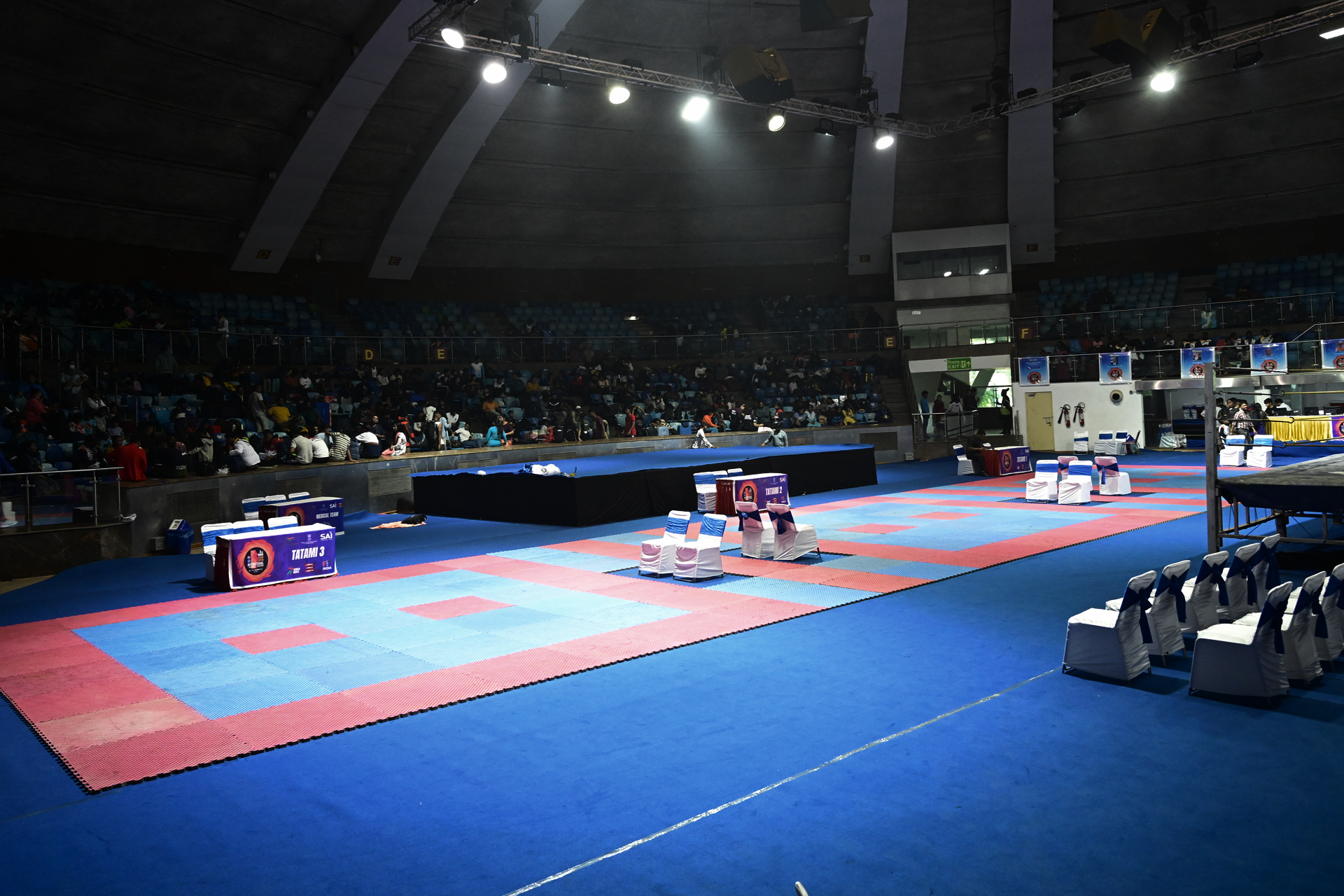
Kickboxing is a perfect example.

It is already deeply embedded in the country — across schools, universities, armed forces, police units, and private academies. It has gender balance, youth participation, and international legitimacy. Yet, despite all this, it has remained fragmented.

Why?

Because participation grew faster than governance.

Events multiplied, but pathways didn’t. Certifications existed, but platforms didn’t. Talent was identified, but not retained. This creates a revolving door — athletes enter with hope and exit with uncertainty.

From a governance standpoint, the solution is not to add more tournaments.
The solution is to connect the dots.

A modern league must act as an integrator — aligning athletes, coaches, officials, institutions, media, and commercial partners under a single, transparent framework. When this alignment happens, the sport stops being episodic and starts becoming an industry.

That shift changes everything.

Athletes begin to see sport as a career, not a gamble. Parents begin to support participation with confidence. Institutions invest time and resources because outcomes are measurable. Sponsors commit because visibility is structured, not incidental.

But this only works if governance is taken seriously from day one.

Clear rules. Transparent selection processes. Documented safety protocols. Defined commercial rights. Dispute resolution mechanisms. Data-backed performance tracking. These are not “back-office” issues — they are the foundation of credibility.

In many Indian sports ventures, governance is treated as an afterthought. That is a mistake.

The leagues that endure are the ones that design for scale early — even when they are small. They resist shortcuts. They build systems that can absorb growth without collapsing under it.

Kickboxing, at this stage in India, has a rare opportunity.

It can leapfrog years of disorder by adopting global best practices early — not by copying formats, but by internalising principles: consistency, athlete-first thinking, and institutional integrity.

This is especially important because combat sports carry a unique responsibility. Safety, officiating standards, and medical protocols are not optional. They define the moral legitimacy of the sport.

When done right, combat sports also become powerful social instruments — teaching discipline, confidence, and respect across gender and economic lines.

The question is not whether kickboxing will grow in India.
It already is.

The real question is whether it will grow coherently.

If we build leagues that prioritise governance as much as glamour, India can create sports platforms that last decades — not seasons. Platforms that do not burn out athletes, sponsors, or audiences, but compound value year after year.

Sustainable sport is not about spectacle alone.
It is about structure that people can trust.

And trust, once earned, is the strongest competitive advantage any league can have.